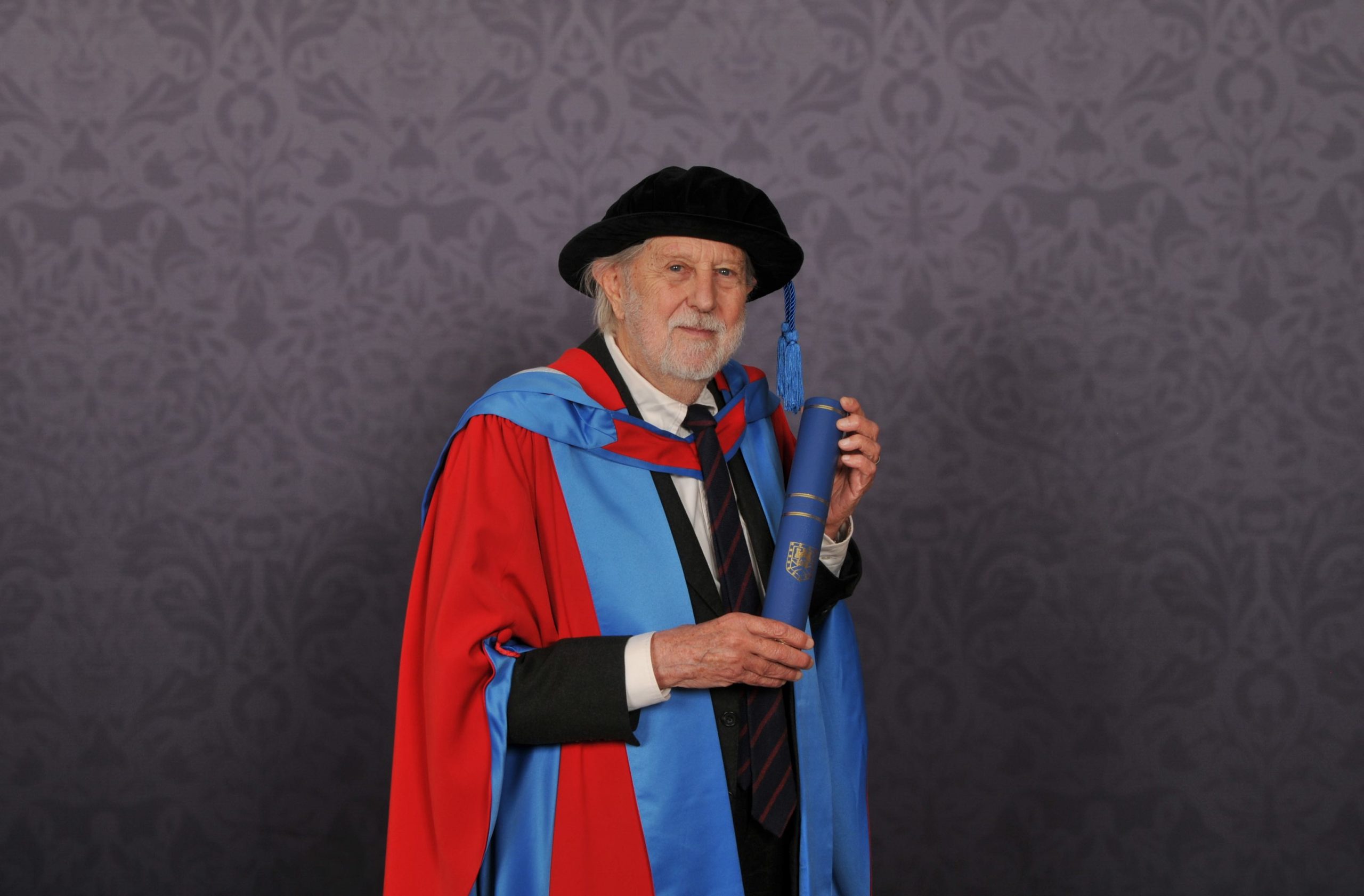
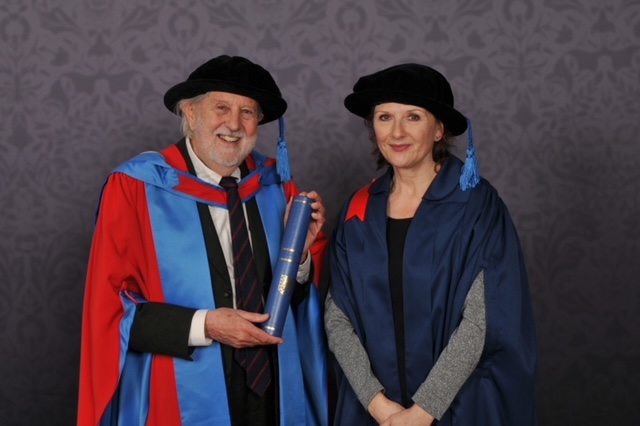
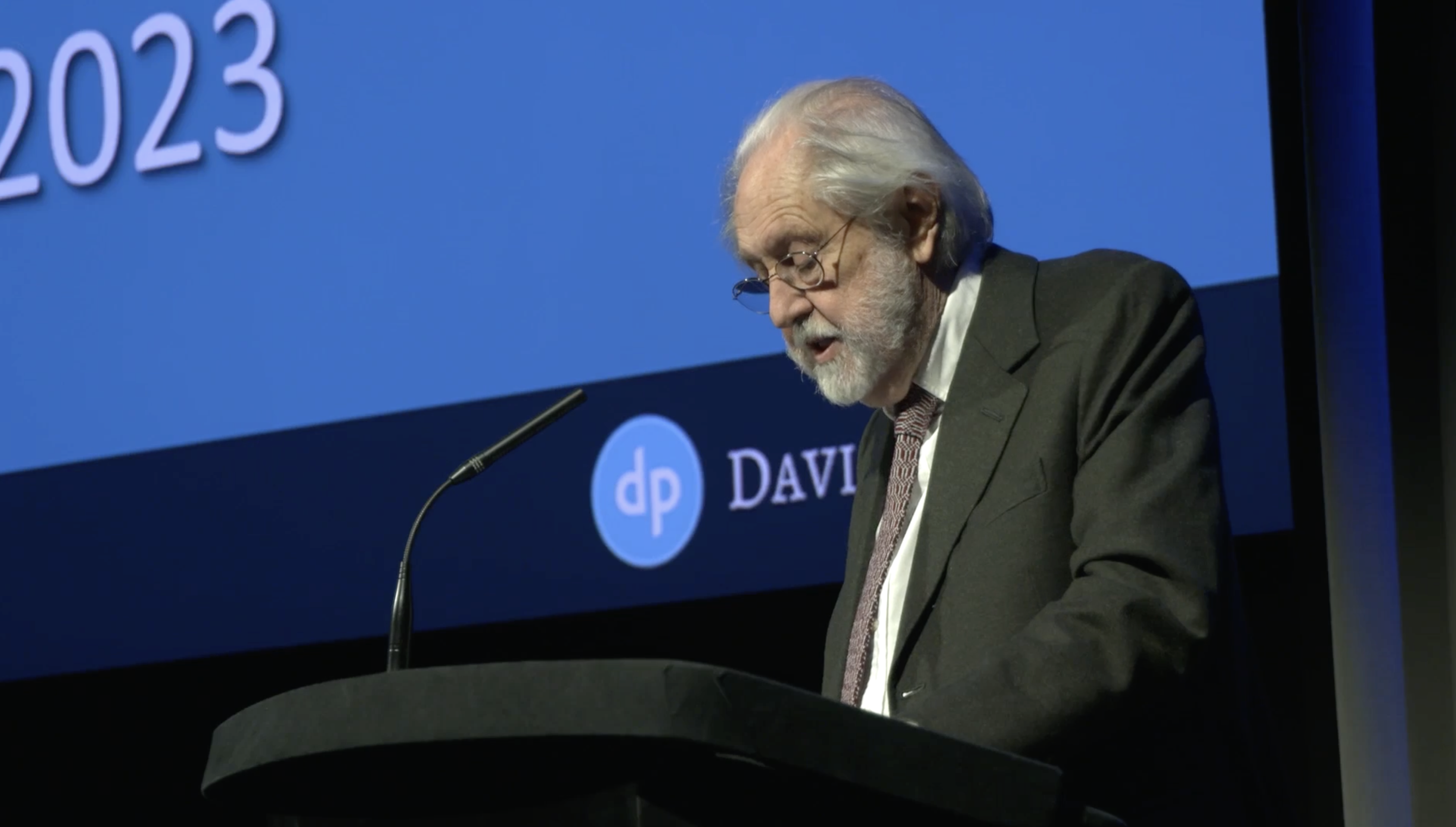
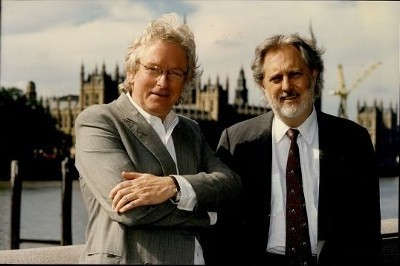
New film careers programme developed for transition year students by Lord Puttnam
Film industry experts to gather at UCC to meet students and teachers
Transition year students from across Cork, with a passion for film making, have been selected to meet Oscar-winning producer Lord David Puttnam, and a host of film industry experts, at a special event in University College Cork (UCC) on Tuesday May 16th.
Since April this year these students have been participating in ‘Screen Careers for Transition-Year Students’, a new programme run by Atticus Education, the online education company chaired by David Puttnam, and supported by UCC and Fís Éireann/Screen Ireland (Screen Ireland). It aims to introduce students to the vast opportunities that exist across Ireland’s burgeoning screen sector, and to help them better understand the medium of film.
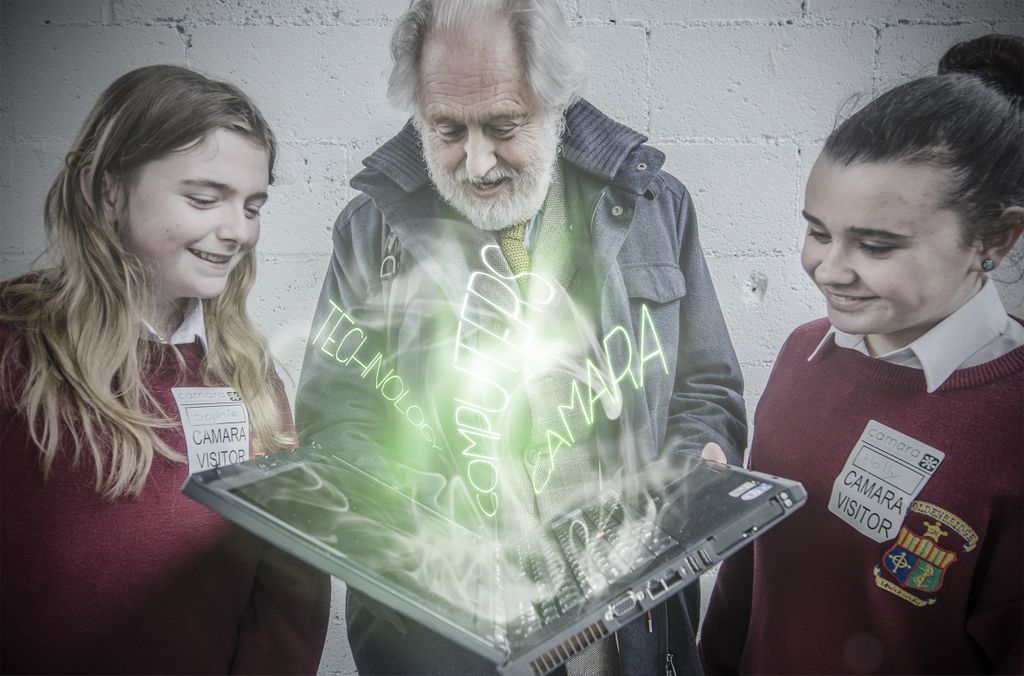
Five schools in Cork – Bandon Grammar School, Kinsale Community School, Schull Community College, Cólaiste an Phiarsaigh (Glanmire) and Terence MacSwiney Community College (Hollyhill) – participated in the programme. It included seminars hosted by David Puttnam on wide-ranging themes related to the screen industries. Topics included creativity and identity, the future of cinema, animation, and gaming, as well as practical advice on how to get a job in the film industry and opportunities in creative employment. Within every session, students shared their responses and opinions with the award-winning producer.
They also received a personal message from award-winning director Lenny Abrahamson, who urged students to consider a career in film. “There is a great series of roles, opportunities and lives to be lived in the film industry in Ireland, which is thriving and has been thriving for a long time.” Students also attended a small group session for each school with Cork-based creative producer, Alex Brady, as part of the programme.
Now students from these Cork schools will attend a special event in UCC which will celebrate this successful transition year programme and provide an opportunity for budding young film makers to meet Irish and international film-industry experts. Production activity in Ireland has continued to grow at a steady level over recent years. A production spend of €361,487 million was recorded by Screen Ireland in 2022, driven by both Irish and international productions across feature film, TV drama, documentary and animation – an increase of €4 million from 2019, the year preceding the COVID-19 pandemic.
Rapid development of the sector in Ireland means there is a pressing need to prepare for future demand, and to significantly increase the size of the industry workforce. A recent report from Screen Ireland on existing skills challenges sets out recommendations for the agency to ensure adequate scale and capacity are in place to meet this potential increased demand, including closer structured collaboration with third level education to address skills needs and working with industry stakeholders to communicate the numerous opportunities available in the screen sector.
A brand-new Leaving Cert course, Drama, Film and Theatre Studies, will launch in September 2024 on a pilot basis.
Speaking about the ‘Screen Careers for Transition-Year Students’ programme Lord Puttnam said “I think this programme is increasingly important because the film industry in Ireland desperately needs bright and enthusiastic young people to see it as a viable and attractive career option. In the hope that I’ve convinced the students of this over the last couple of weeks, it’s now a question of convincing their parents and career-guidance counsellors. Personally, I’ve found the whole experience to be incredibly valuable, I’ve learned so much from these enthusiastic young people about what they watch, where they watch it and why film remains important to them.”
Desiree Finnegan, Chief Executive at Screen Ireland, said: “As part of Screen Ireland’s strategy to invest in talent and skills for industry growth, we are proud to support this exceptional initiative for aspiring filmmakers to discover the wide range of exciting opportunities and career pathways available to them. The development of next generation talent is key to our ambitious vision of fostering creative screen storytelling and sustaining our highly skilled and competent crew base. The future looks bright and we hope this talented group will feel inspired to take the next step in exploring a rewarding and fulfilling career in the sector, building on the success and impact of the Irish screen industry on the global stage.”
Dr Ciara Chambers, Head of the Department of Film & Screen Media explained
“One of the challenges I face at open days is explaining to parents why it is worth choosing a creative course. While screen careers often work quite differently to more traditional pathways, they can open up incredibly rewarding job opportunities. As we have seen, the audiovisual sector in Ireland is booming, and there aren’t enough skilled professionals to take up the jobs available. We’ve been really inspired by the young people involved in this programme and we hope they’ll consider creative pathways. If they do, it’s clear they will make a significant contribution to further developing Ireland’s rich and diverse creative culture.”
Lord Puttnam’s productions include Chariots of Fire (which won four Oscars in 1981, including the Academy Award for Best Picture), The Mission (which won the Palme d’or at Cannes in 1986), The Killing Fields, and Midnight Express.
ENDS
Further on Irish screen industry
Screen Ireland-supported projects garnered over 150 awards and nominations at major international festivals and awards throughout the year. This high volume of recognition highlights the sustained growth, success and impact of the Irish screen industry on the global stage.
According to recent data from Screen Ireland, the film, tv and animation sector in Ireland is estimated to be worth over €692 million, comprising almost 12,000 jobs.
There are no signs of this success slowing down with a number of new studios coming on stream, and a new games tax credit recently launching. In fact, the entire global production industry is booming; Netflix recently revealed it has spent $6 billion making TV shows and films in the UK since 2020.
Students selected to participate in the UCC Screen Ireland programme include:
Niamh Toolen (Schull Community College)
Jackson Little (Schull Community College)
Megan Brown (Schull Community College)
Tadhg O Treasaigh (Schull Community College)
Angelica Keaveny (Schull Community College)
Eoin McKeon (Terence MacSwiney Community College)
Inés Velázquez (Terence MacSwiney Community College)
Elena Visconti (Terence MacSwiney Community College)
Liam Ó Caochlaoich Ó Ceallaigh (Coláiste an Phiarsaigh)
Oisin Ó hAinle (Coláiste an Phiarsaigh)
Sinéad Ní Rinn (Coláiste an Phiarsaigh)
Grace Ní Loingsigh (Coláiste an Phiarsaigh)
Aoife Nic Mhathuna (Coláiste an Phiarsaigh)
TJ Buckley (Kinsale Community School)
Sarah Hadden (Kinsale Community School)
Kiely Lehane (Kinsale Community School)
Jessica Bronikowska (Kinsale Community School)
Stephania Reilly (Kinsale Community School)
Cormac O’Dwyer (Bandon Grammar School)
Tadgh O’ Conchuir (Bandon Grammar School)
Conall McCauley (Bandon Grammar School)
Lauren Hitz (Bandon Grammar School)
Niamh Hutchinson (Bandon Grammar School)