
It's likely to be a commitment to education, and the 'wisdom' and 'judgment' that hopefully develops from it, that will determine the eventual successes and failures of the twenty-first century.
As we here in Europe continue to work our way through the ramifications of the 2008 economic crisis, I'd suggest that wisdom is something we find ourselves increasingly short of.
Ever more demanding news cycles, economic and employment figures that are scrutinised every quarter, a world so 'interconnected' that a slip of the tongue, or an ill-thought through policy in one hemisphere, can wreak instant havoc in another.
This is a tough environment in which to make well-thought-through policy decisions, yet huge issues, like long-term youth unemployment, demand that we here in Europe dramatically – 'raise our game'.
Increasingly, many of the problems we face pit the present against the future; this generation against those as yet unborn – that's why the young need to have a far greater voice, and take far greater responsibility for what will, after all, be their future.
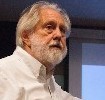
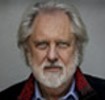
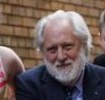
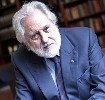
 The British producer of films such as Chariots of Fire, The Killing Fields and The Mission said both filmmaking and politics shared a need for a greater moral purpose.
 As his charming and endearing figure appeared on screen, the students of the Puttnam School of Film (especially the first years) took a deep breath, sat up in their seats, and looked straight into the eyes of the Lord David Puttnam in all his digital glory.
 David Puttnam has tried many lives for size. Starting out as a messenger boy, he went on to work in advertising, and then he became an Oscar-winning film producer. You can hear the music from his films, including Chariots of Fire and The Mission in the National Concert Hall on September 13. He will be talking about his work, and Sacha, his film-composer son, will then perform arrangements of the famous themes with the RTE Concert Orchestra and The Mornington Singers.
 We have lost someone utterly irreplaceable.